

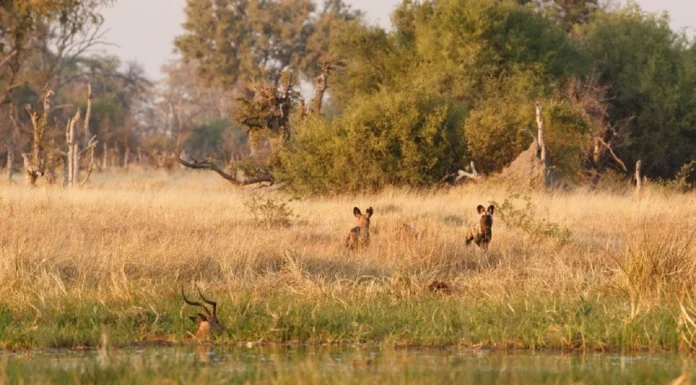
Nestled at the foot of the Shivaliks, Chandigarh isn’t just about clean streets and modern architecture — it’s also a gateway to some lovely wildlife sanctuaries teeming with birds, deer and even leopards. If you need a green escape from the city, here are the best wildlife sanctuaries in and around Chandigarh.
✍️ By Rahul Goyal · Chandigarh Life
Quick answer: The main wildlife sanctuaries in and around Chandigarh are the Sukhna Wildlife Sanctuary (north-east of Sukhna Lake), the adjoining Kansal Forest, and Bir Shikargah Wildlife Sanctuary near Pinjore. Sukhna WLS — rated on Google — is a roughly 26 sq km Shivalik-foothills reserve home to deer, wild boar, pangolin and rich birdlife. Entry needs prior permission from the Forest Department.
📋 Sukhna Wildlife Sanctuary — Visitor Information
| Location | North-east of Sukhna Lake, Chandigarh |
| Area | ~25.98 sq km of Shivalik foothills |
| Timings | Around 10 AM – 4 PM (entry by permission) |
| Entry | Prior permission/registration from the Chandigarh Forest Department |
| Best time to visit | October to March |
| Official site | chandigarhforest.gov.in |
Details verified via Google Maps and the Chandigarh Forest Department. See our detailed Sukhna Wildlife Sanctuary trekking guide.
| Sanctuary | Area | Distance | Known for |
|---|---|---|---|
| Sukhna Wildlife Sanctuary | ~26 sq km | Adjoining Sukhna Lake | Migratory birds, walking trails |
| Kansal Forest | Part of Sukhna WLS | Northern edge of city | Birds, butterflies, nature walks |
| Bir Shikargah | ~119 sq km | ~30 km (Morni Hills) | Leopards, sambar deer, birdlife |
Wildlife Sanctuaries In & Around Chandigarh
Sukhna Wildlife Sanctuary
Just a short drive from the city, this ~26 sq km sanctuary wraps around the picturesque Sukhna Lake. It’s known for its rich birdlife — including migratory Siberian ducks and cranes in winter — with peaceful walking trails and bird-watching points to soak it all in.
Kansal Forest
On the northern edge of Chandigarh and part of the Sukhna sanctuary, Kansal Forest mixes deciduous and evergreen trees that shelter birds, butterflies and small mammals — perfect for a guided nature walk and a dose of ecotourism.
Bir Shikargah Wildlife Sanctuary
For a bigger wildlife experience, head ~30 km to the Morni Hills. Spanning ~119 sq km, Bir Shikargah — once “the hunting preserve of the maharajas” — is now a protected area supporting leopards, sambar deer and a wide range of birds.
Flora & Fauna
These forests are rich with indigenous trees like teak, sal and khair, sheltering spotted deer, sambar and predators like leopards. For birdwatchers, it’s a paradise — from the graceful Siberian crane to the colourful Indian pitta.
Ecotourism & Responsible Visits
The sanctuaries run guided tours, nature walks and bird-watching camps to promote conservation and awareness. Visitors are encouraged to follow ethical guidelines and keep their footprint light, so these natural spaces stay pristine for generations to come.
Good to know ✅
- Permission: Sukhna WLS requires prior registration/permission from the Forest Department — it is not a free walk-in like the lake
- Best season: October–March for pleasant weather and active birdlife
- What you’ll see: sambar & barking deer, wild boar, jackal, pangolin, peafowl and many migratory birds
- Responsible visit: stay on trails, carry back your litter, avoid loud noise and don’t feed wildlife
Frequently Asked Questions
📜 A Quick History of Chandigarh’s Sukhna Wildlife Sanctuary
The crown jewel among Chandigarh’s protected green spaces, the Sukhna Wildlife Sanctuary covers about 2,600 hectares of the lush Shivalik Hills next to Sukhna Lake and was formally notified as a wildlife sanctuary in 1998. It plays a vital role as the city’s natural catchment and a haven for local wildlife.
Because it is a protected reserve, visitor numbers are kept limited and an entry pass from the Forest Department Office in Sector 19 is required — a small step that keeps the sanctuary pristine for everyone to enjoy in the pleasant, post-monsoon months.
Source: Wikipedia.
Which wildlife sanctuaries are near Chandigarh?
The main ones are Sukhna Wildlife Sanctuary (beside Sukhna Lake), Kansal Forest (part of the Sukhna sanctuary) and Bir Shikargah Wildlife Sanctuary in the Morni Hills, about 30 km away.
Can you spot leopards near Chandigarh?
Yes — Bir Shikargah Wildlife Sanctuary in the Morni Hills is home to leopards and sambar deer, though sightings are rare and the area is best enjoyed for its birdlife and forest trails.
Is Sukhna Wildlife Sanctuary good for bird watching?
Absolutely — Sukhna Wildlife Sanctuary is known for migratory birds like Siberian ducks and cranes in winter, with dedicated walking trails and bird-watching points.
Do I need permission to visit Sukhna Wildlife Sanctuary?
Yes — Sukhna Wildlife Sanctuary requires prior permission or registration from the Chandigarh Forest Department; it is a protected reserve, not a free walk-in area.
What are the timings of Sukhna Wildlife Sanctuary?
The sanctuary is generally accessible around 10 AM to 4 PM with permission. The best season to visit is October to March.
What animals can you see at Sukhna Wildlife Sanctuary?
You can spot sambar and barking deer, wild boar, jackals, pangolin, peafowl and a wide variety of resident and migratory birds.
Is trekking allowed in Sukhna Wildlife Sanctuary?
Yes — guided nature trails and trekking are popular here with permission. See our dedicated Sukhna Wildlife Sanctuary trekking guide for routes and tips.