

Hair loss is a common concern that can affect both men and women. Genetics, hormonal changes, stress, aging, nutritional deficiencies, medical conditions, and lifestyle factors can all contribute to thinning hair or a receding hairline.
For some people, medication or non-surgical hair treatments may help manage the problem. Others may consider a hair transplant when they are looking for a more permanent restoration option.
Modern hair restoration techniques have improved significantly over the years. Better extraction methods, precise implantation, improved hairline planning, and personalized treatment strategies can help create results that look much more natural.
For anyone considering a Hair Transplant in Chandigarh, understanding the procedure, evaluating the clinic carefully, and setting realistic expectations are important before making a decision.
Understanding How Hair Transplantation Works
A hair transplant involves moving healthy hair follicles from an area with stronger hair growth, usually the back or sides of the scalp, to areas where hair has become thin or is no longer growing.
These follicles are carefully positioned according to the patient’s existing hair direction, facial structure, and natural hairline pattern.
Two commonly used approaches are FUE and FUT.
FUE, or Follicular Unit Extraction, involves removing individual follicular units from the donor region before placing them into the thinning areas.
FUT, or Follicular Unit Transplantation, involves removing a narrow strip of scalp from the donor area. The follicles are then separated and transplanted individually.
The most suitable technique depends on the patient’s hair-loss pattern, donor density, scalp condition, previous procedures, and desired outcome.
Start With a Proper Hair and Scalp Assessment
Every case of hair loss is different. A proper consultation should therefore come before any treatment decision.
During an assessment, the medical team may examine:
- The stage and pattern of hair loss
- Donor-area density
- Hair thickness and texture
- Scalp condition
- Existing hairline
- Family history of hair loss
- Possibility of future thinning
- Previous hair treatments or procedures
This helps determine whether a transplant is suitable and how many grafts may realistically be available.
People searching for the Best Hair Transplant Clinic in Chandigarh should focus on the quality of consultation, treatment planning, medical supervision, transparency, and aftercare rather than selecting a clinic only because of advertisements or discounted packages.
Why Natural Hairline Planning Matters
A natural-looking hairline is one of the most important elements of a successful transplant.
An overly straight, very low, or excessively dense hairline can appear artificial. Good hairline planning considers facial proportions, forehead shape, age, existing hair pattern, and how hair loss may progress in future.
Natural hairlines are rarely perfectly uniform. Small variations in placement can help transplanted hair blend better with existing hair.
The aim should not be to create the lowest possible hairline. Instead, it should be to create a balanced design that continues to look suitable as the patient gets older.
Understanding Graft Numbers
One of the most common questions patients ask is how many grafts they need.
The answer varies for every individual.
The number of grafts required depends on:
- Size of the thinning area
- Desired coverage
- Existing hair density
- Donor-area strength
- Hair thickness
- Hair texture
- Previous transplant procedures
- Expected future hair loss
More grafts do not automatically mean a better result. The donor area has a limited number of follicles that can be safely extracted, so long-term donor management is extremely important.
A well-planned transplant uses available grafts carefully rather than trying to achieve maximum density in one session.
Why the Doctor’s Role Is Important
Hair transplantation combines medical knowledge with aesthetic planning.
The person responsible for the treatment should understand hairline design, follicle placement, donor management, hair-loss progression, and post-procedure care.
When consulting a hair transplant doctor, patients should ask who will assess their scalp, design the hairline, plan graft distribution, and supervise the key stages of the procedure.
A professional consultation should also clearly explain what the procedure can realistically achieve.
Patients should feel comfortable asking questions about recovery, risks, graft survival, expected density, future hair loss, and follow-up care.
Why Before-and-After Results Are Worth Reviewing
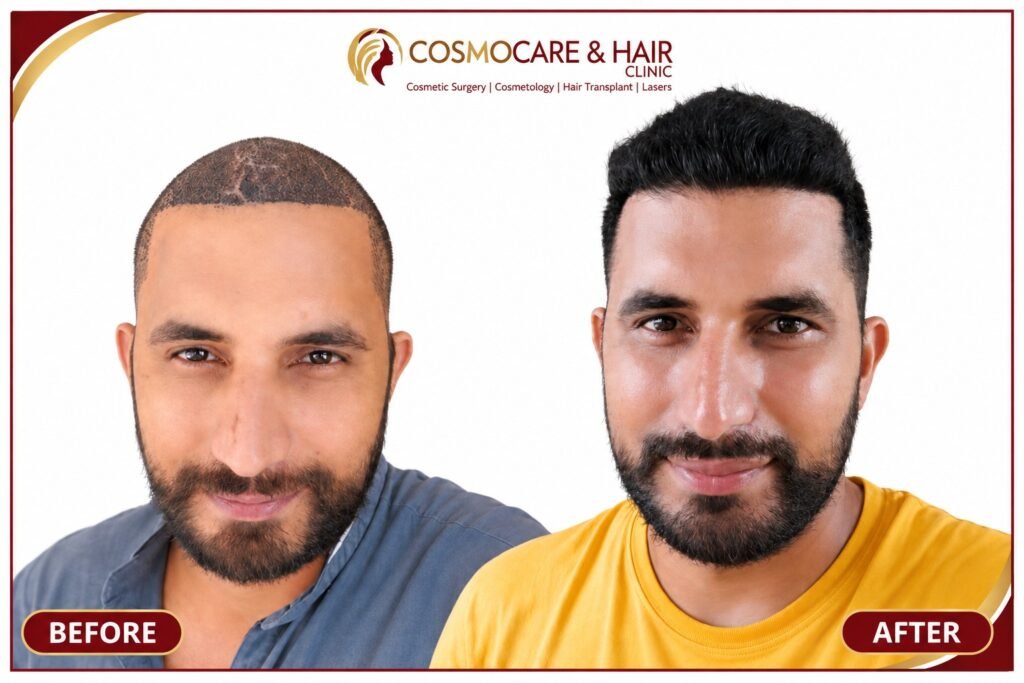
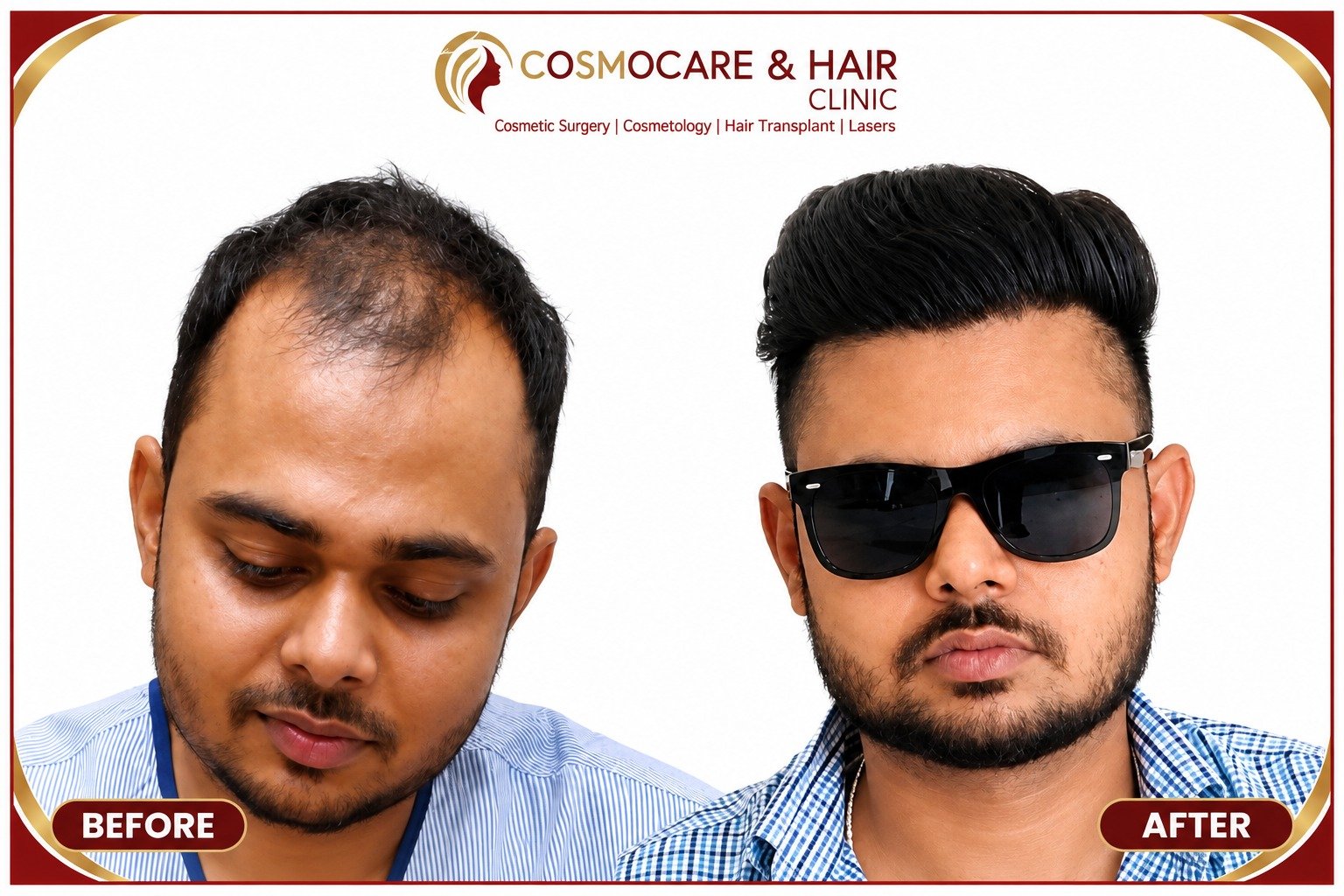
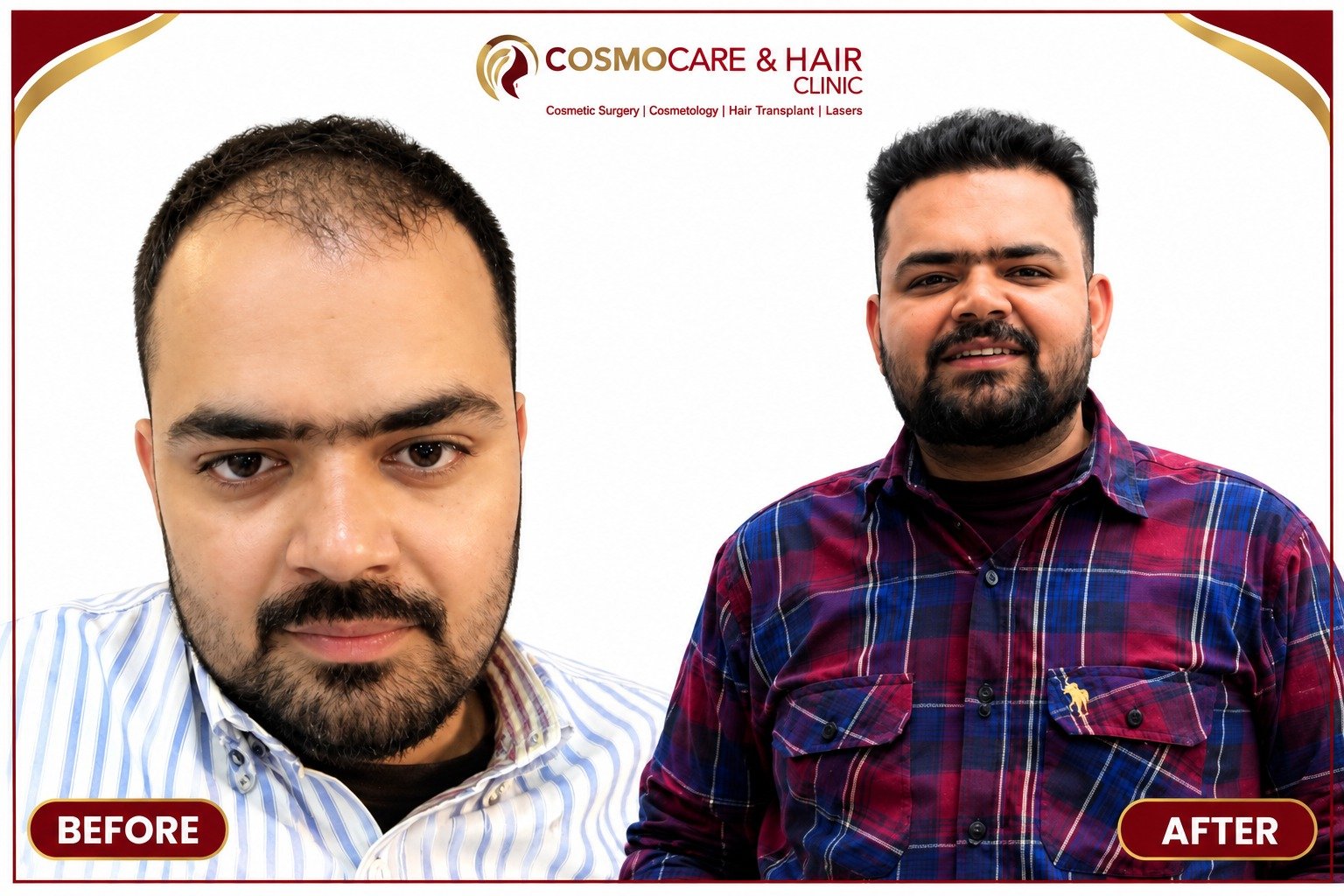
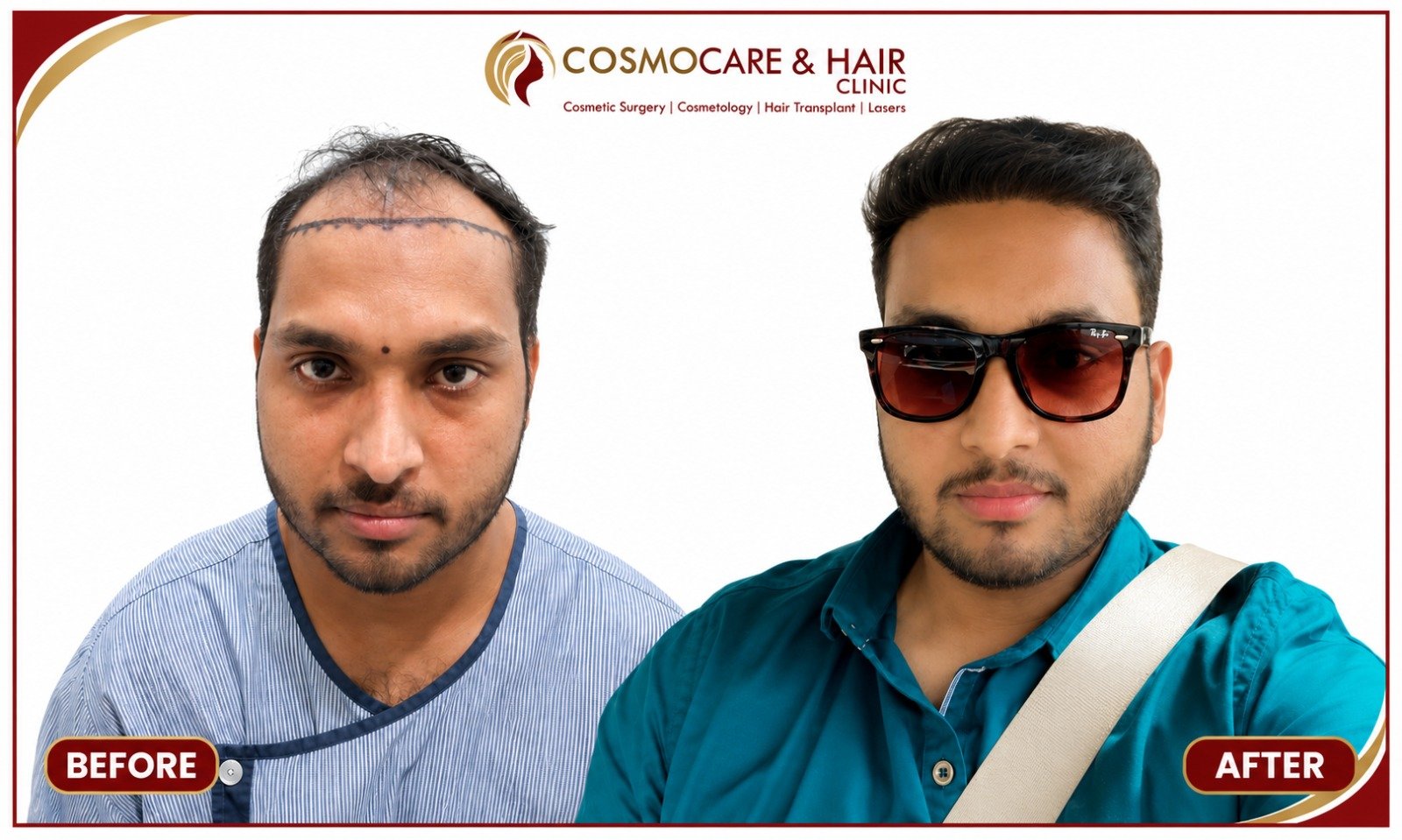
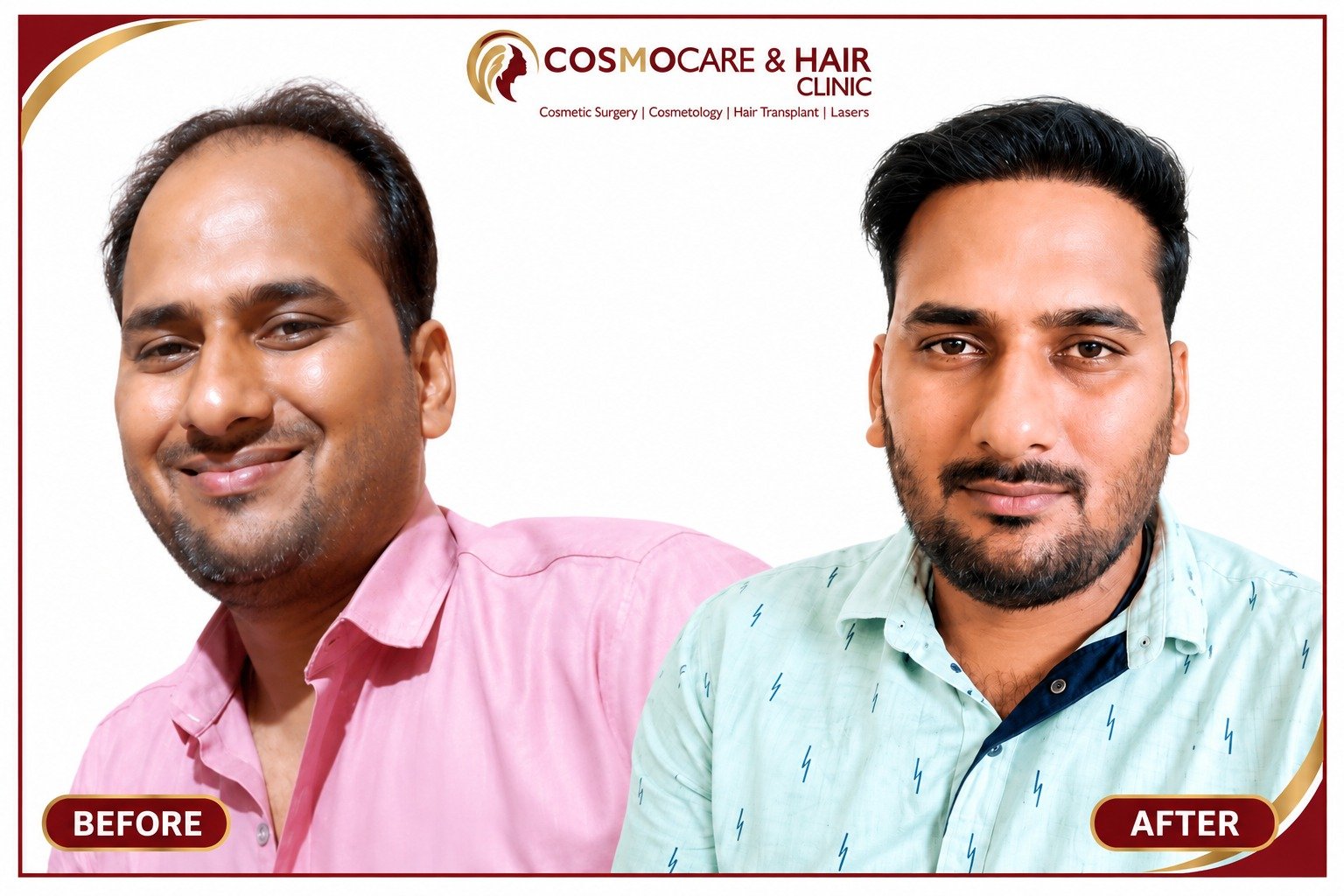
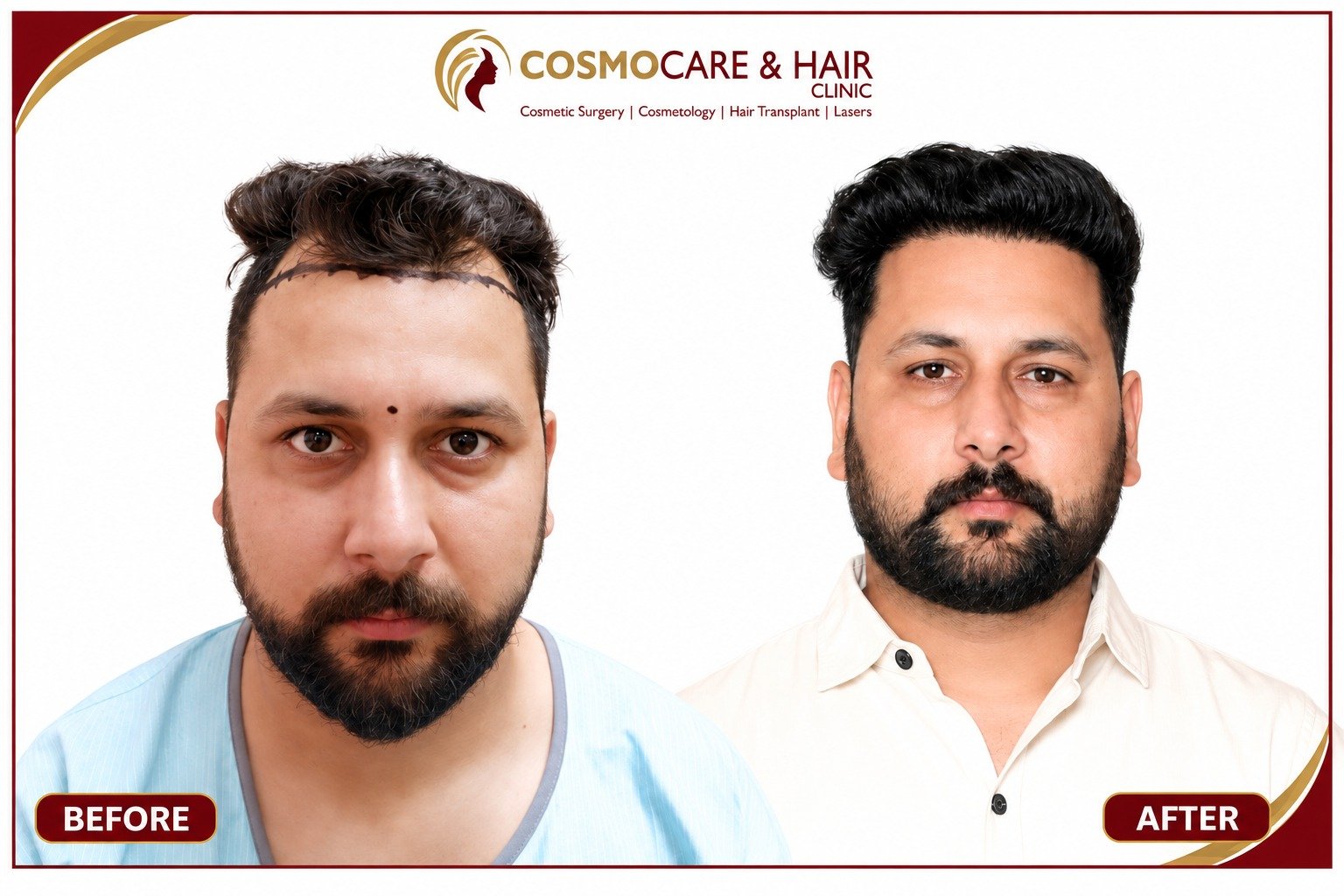
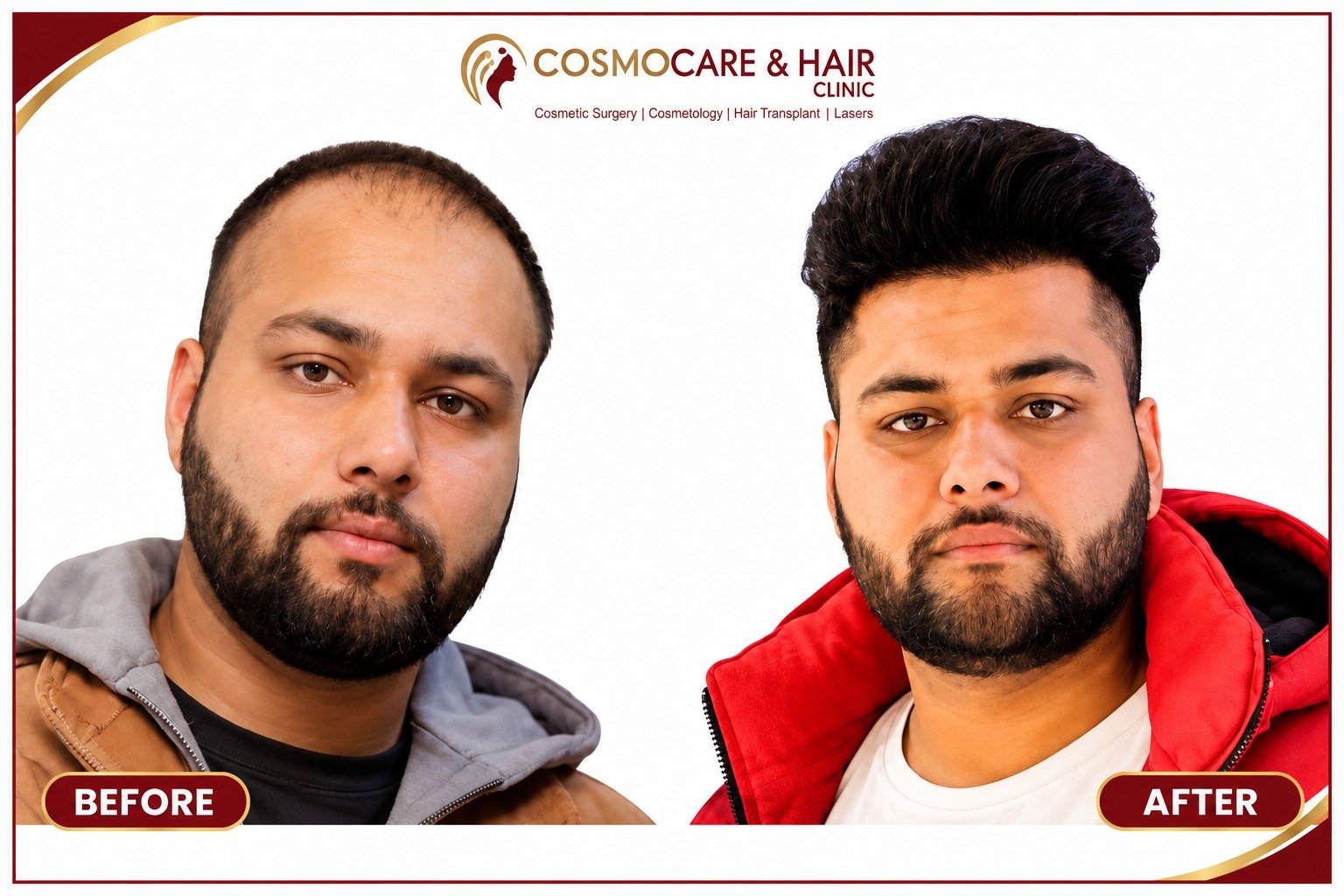
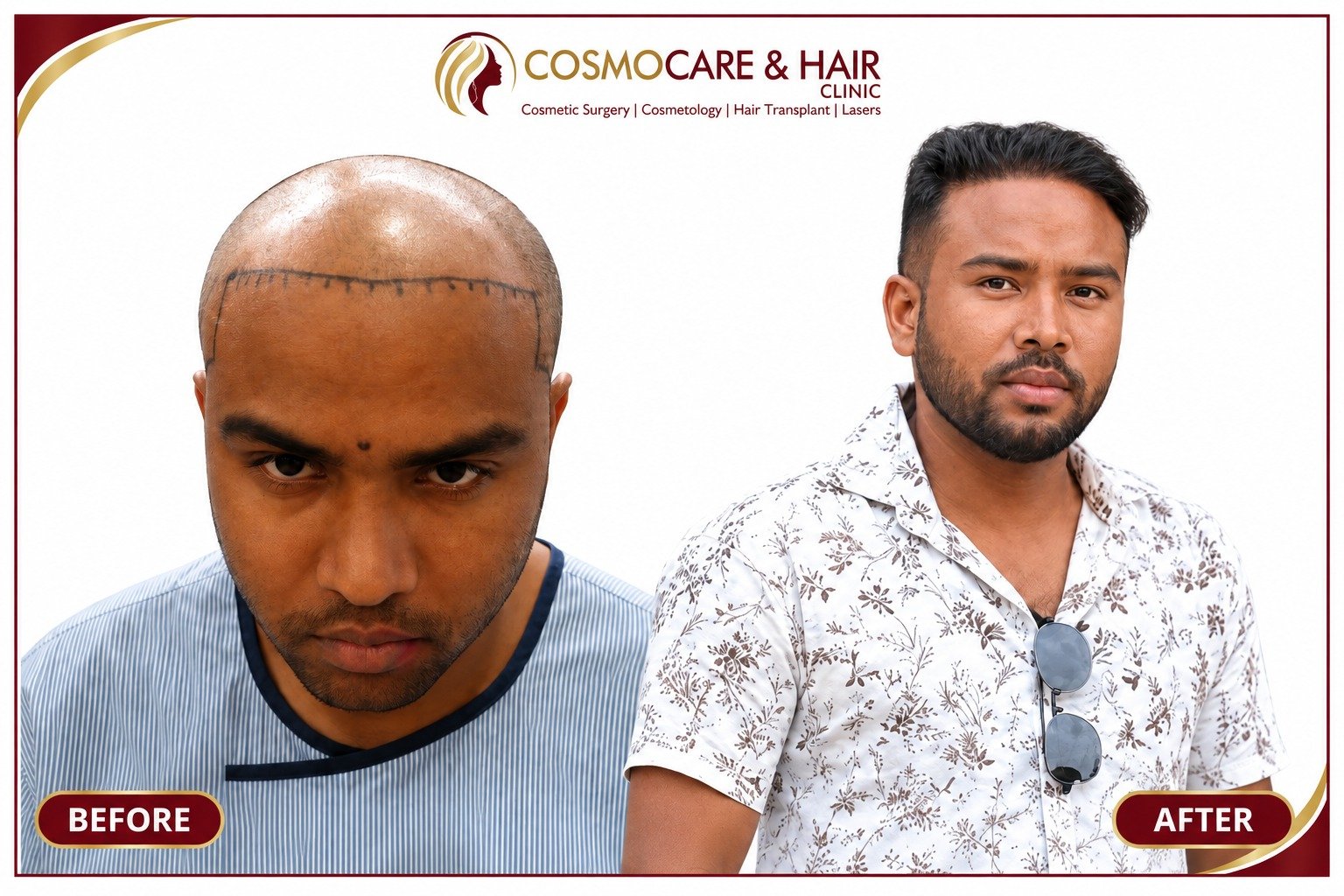
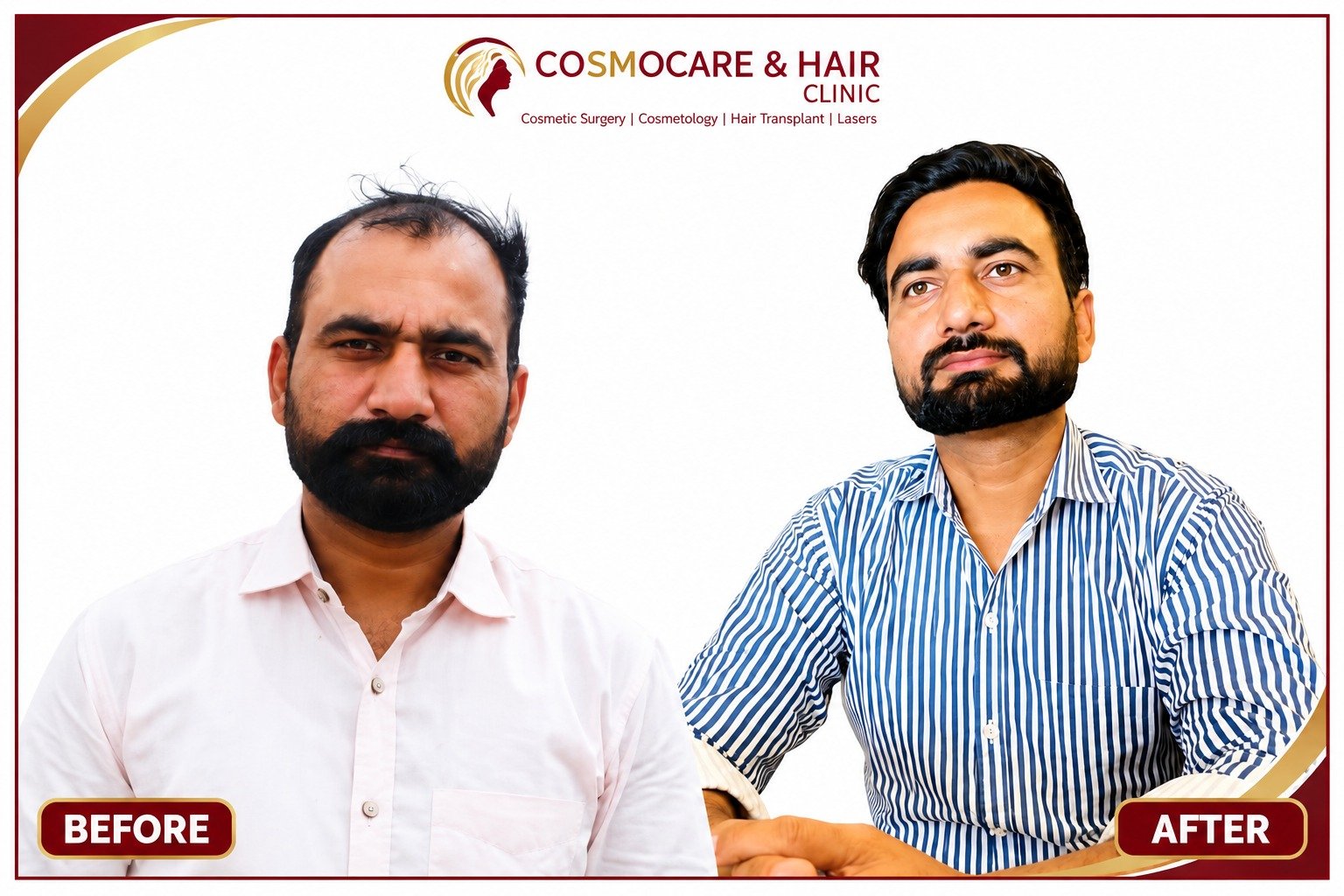
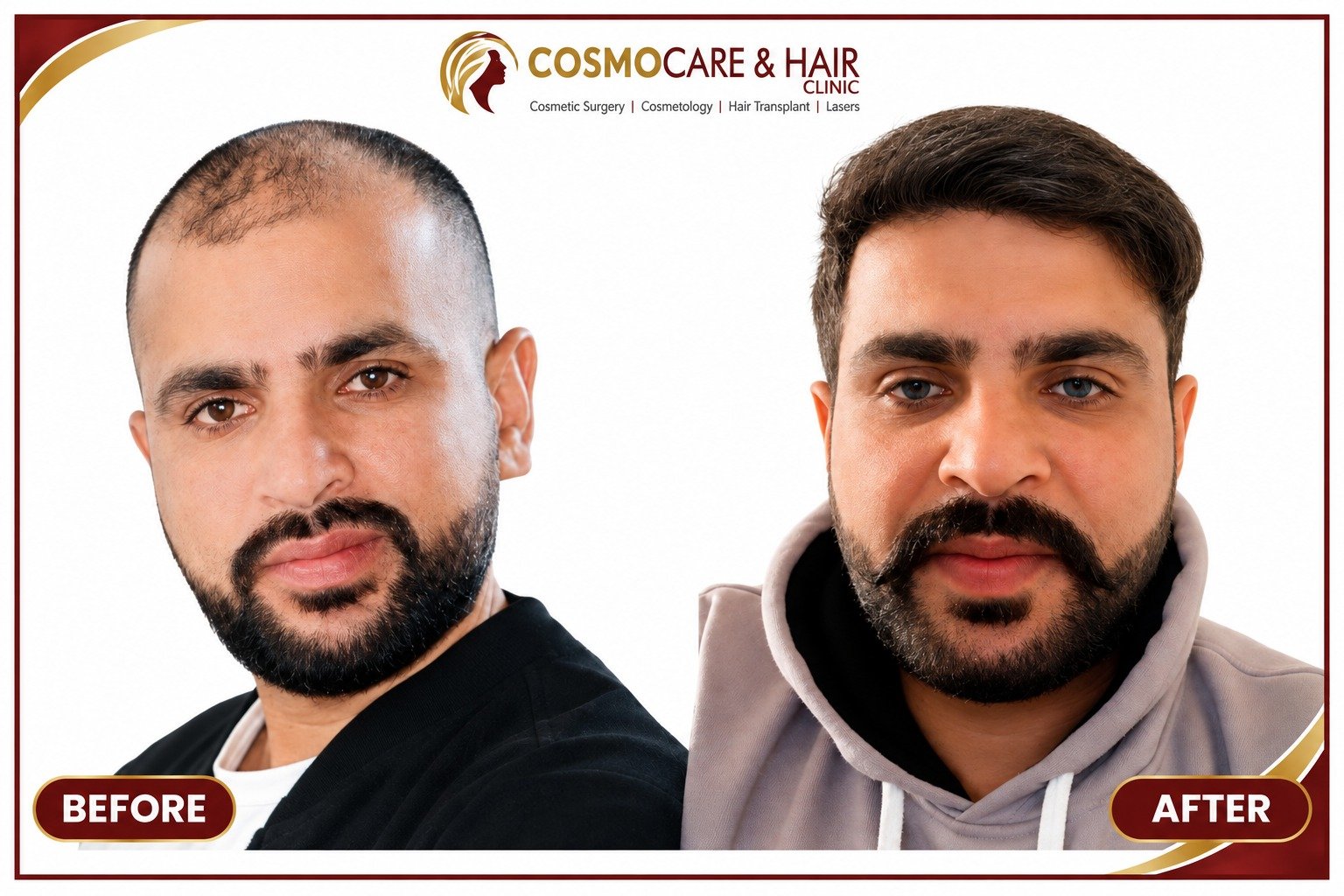
Before-and-after photographs can be useful when comparing clinics because they provide an idea of the type of work previously performed.
However, these images should be reviewed carefully.
When looking at results, consider:
- Hairline shape
- Density improvement
- Coverage of thinning areas
- Direction of transplanted hair
- Appearance of the donor region
- Lighting conditions
- Camera angle
- Hair length and styling
- Time between the procedure and final photograph
Good before-and-after comparisons should ideally use similar lighting, angles, and hair length.
If the before image is taken under strong lighting while the after image is taken in darker conditions, the result may appear more dramatic than it actually is.
Patients should also remember that every individual has different donor density, hair thickness, scalp characteristics, and hair-loss patterns. A result achieved by one person cannot guarantee exactly the same outcome for another.
What Makes a Hair Transplant Look Natural?
A natural result depends on much more than the total number of transplanted grafts.
Correct Direction of Hair Growth
Hair grows at different angles across different parts of the scalp. Follicles should therefore be placed in a direction that matches natural growth.
Incorrect angles can make transplanted hair look unnatural even when good density is achieved.
Balanced Density
Excessive density is not always the best approach.
The transplant should balance coverage with donor availability and the condition of the scalp.
Thoughtful Graft Distribution
Single-hair follicles may be used around the front of the hairline, while grafts containing multiple hairs can sometimes be positioned further back to improve the appearance of density.
The exact approach depends on the individual’s needs.
Appropriate Hairline Shape
The hairline should complement the face rather than follow a fixed template.
Facial proportions, age, hair-loss pattern, and existing hair should all be considered during planning.
What to Expect During Recovery
Recovery is an important part of the treatment process.
During the first few days after a procedure, patients may experience temporary redness, mild swelling, sensitivity, or small scabs around the transplanted area.
The clinic may provide guidance regarding:
- Washing the scalp
- Sleeping position
- Exercise and physical activity
- Sun exposure
- Hair-care products
- Prescribed medicines
- Follow-up visits
Following professional aftercare instructions can help protect newly transplanted follicles during the healing period.
When Do Results Usually Become Visible?
Hair transplant results develop gradually.
Some transplanted hairs may shed during the first few weeks. This can be part of the normal hair-growth cycle and does not necessarily mean that the follicles have been lost.
New hair growth may begin gradually over the following months.
At first, the new hair may appear fine or uneven. Over time, it may become stronger and thicker.
The exact timeline varies between individuals, so hair transplantation should be viewed as a long-term process rather than an instant transformation.
Factors That May Affect the Final Outcome
Several factors can influence the appearance of the final result.
Donor hair quality: Strong and healthy donor follicles can provide better possibilities for coverage.
Hair thickness: Thicker strands may create a fuller visual appearance.
Hair texture: Wavy or curly hair may sometimes create more visual coverage than very straight hair.
Hair and scalp contrast: Lower contrast between hair color and scalp color can make thinning less noticeable.
Stage of hair loss: Advanced hair loss may require a different strategy compared with a small receding area.
Future thinning: Existing non-transplanted hair may continue to thin over time.
Aftercare: Following medical instructions can support proper healing and protect the transplanted area.
Who May Be Suitable for a Hair Transplant?
Not everyone experiencing hair loss automatically needs a transplant.
Suitability may depend on:
- Cause of hair loss
- Age
- Donor-area strength
- Stability of the hair-loss pattern
- Scalp health
- Medical history
- Expectations
- Availability of healthy donor follicles
In some cases, a medical professional may recommend monitoring hair loss or exploring other treatment options before considering surgery.
This is why an individual assessment is important.
Questions to Ask Before Making a Decision
A consultation should be used to gather information rather than simply book a treatment.
Useful questions include:
- Which transplant technique may suit my condition?
- How strong is my donor area?
- How many grafts may realistically be required?
- How will my hairline be planned?
- Who will perform or supervise the procedure?
- What result can I realistically expect?
- Could my existing hair continue to thin?
- What aftercare will be required?
- How often are follow-up appointments needed?
- Can I review relevant before-and-after cases?
- What is included in the quoted treatment cost?
Clear answers can make it easier to compare different treatment providers.
Avoid Making Price the Only Deciding Factor
Cost is naturally important, but choosing a clinic purely because it offers the cheapest package may not be the best approach.
Patients should understand exactly what is included in the treatment cost.
Consider consultation quality, clinical environment, medical supervision, graft planning, donor management, aftercare, and follow-up support.
Hair transplantation is both a medical and aesthetic procedure, so treatment quality and long-term planning deserve careful consideration.
Take Time to Make an Informed Choice
A good hair restoration journey begins with research.
Understand the different techniques, review authentic before-and-after results, ask questions, discuss realistic expectations, and learn how your donor area will be managed over the long term.
Cosmo Hair provides information and consultation options for people exploring hair restoration and looking to understand which approach may be appropriate for their individual needs.
The goal of a well-planned transplant should not simply be to add more hair. It should be to create balanced coverage, preserve valuable donor follicles, and achieve an appearance that blends naturally with existing hair.
Making an informed decision can help you approach the procedure with realistic expectations and greater confidence.
For businesses in healthcare and other competitive industries, a strong online presence also helps people find reliable information more easily. Professional website development, user-friendly design, and search-focused content can support that visibility. Businesses looking to improve their digital presence can explore services from a Web Designing Company Chandigarh for website design, development, and online growth support.