

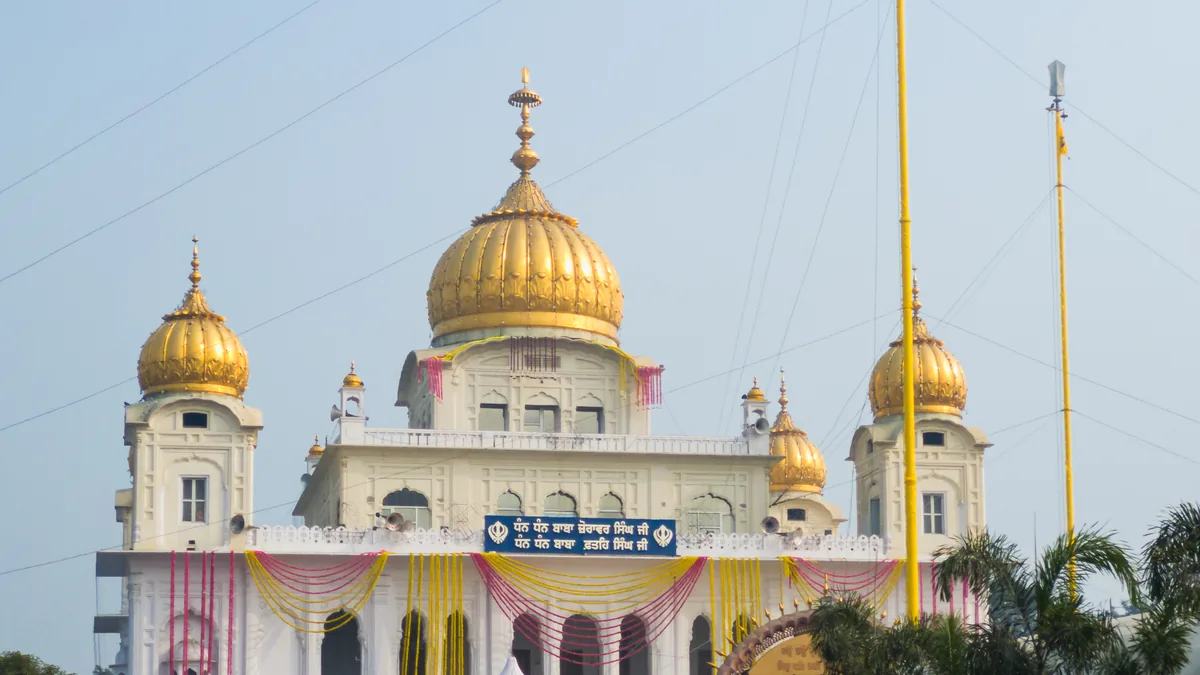
✍️ By Rahul Goyal · Chandigarh Life
Quick answer: Gurdwara Fatehgarh Sahib, in Sirhind, Punjab, marks where Guru Gobind Singh’s two younger sons, Baba Zorawar Singh and Baba Fateh Singh, were bricked up alive on the orders of Wazir Khan, the fauzdar of Sirhind. The Fatehgarh Sahib district portal dates it to 1704; Wikipedia gives 9 December 1705. Google Maps shows about 43 km and roughly 53 minutes by road from Chandigarh.
The complex brings the Bhora Sahib sanctum, the Thanda Burj memorial, Shahid Ganj and a large sarovar close together. This guide draws on the district administration’s tourism pages, Wikipedia and Google Maps, and it points out where they disagree.
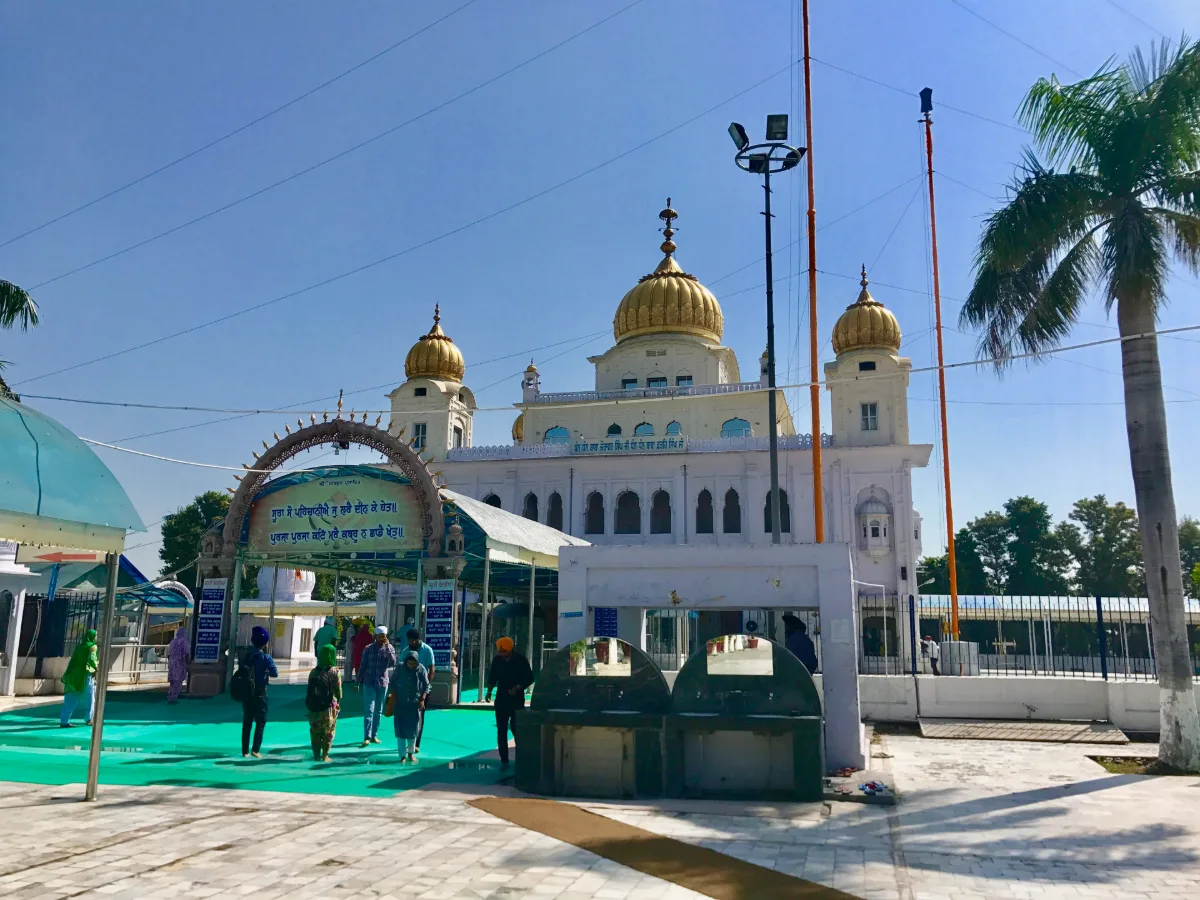
Gurdwara Fatehgarh Sahib at a glance
| Detail | What we found |
|---|---|
| What it marks | Where the two younger sons of Guru Gobind Singh were bricked up alive (district portal, Wikipedia) |
| Where | Fatehgarh Sahib (Sirhind), Punjab 140407; plus code M92R+WR on Google Maps |
| From Chandigarh | About 42.9 km, roughly 53 minutes via SH 12A on Google Maps; another route via Sarovar Path is 44.0 km (57 minutes). The district portal puts the Chandigarh/Mohali airport about 50 km from Fatehgarh Sahib |
| Timings | Google Maps showed “opens 3 am” when we checked overnight on 21 September 2026; confirm the full day’s timings at the gurdwara office |
| Phone | 01763 232 227 (Google Maps listing) |
| Nearest railway station | Sirhind Junction, on the Delhi–Amritsar line (district portal) |
| Biggest gathering | Shaheedi Jor Mela in December, on 11–13 Poh (district portal) |
| Visitor rating | 4.9 on Google Maps, about 9,400 reviews (21 September 2026) |
The history: what the sources say
The district portal tells the story this way. After Guru Gobind Singh left the Anandgarh fort and the family was separated while crossing the swollen Sirsa river, Mata Gujri and the two younger Sahibzadas travelled with Gangu, the Guru’s cook. He betrayed them and handed them to Wazir Khan. They were pressed to accept Islam, refused, and were confined in the Thanda Burj (Cold Tower) before the boys were bricked up alive in a wall. On hearing the news, Mata Gujri collapsed at the same place.
The two accounts differ on the year. The district portal says the sons were bricked up in 1704. Wikipedia gives the martyrdom as 9 December 1705, with Zorawar Singh aged nine and Fateh Singh aged seven, and says the site was named Fatehgarh after the younger boy. We state both dates rather than pick one, since the date depends on which account you follow.
Wikipedia says the main gurdwara building went up in 1844 in the reign of Maharaja Karam Singh of Patiala (the same article also says 1843 elsewhere), in the Phulkian style, and that kar seva volunteers have since rebuilt it in another style. It also records that Sikhs under Banda Singh Bahadur captured Sirhind in 1710 and killed Wazir Khan.
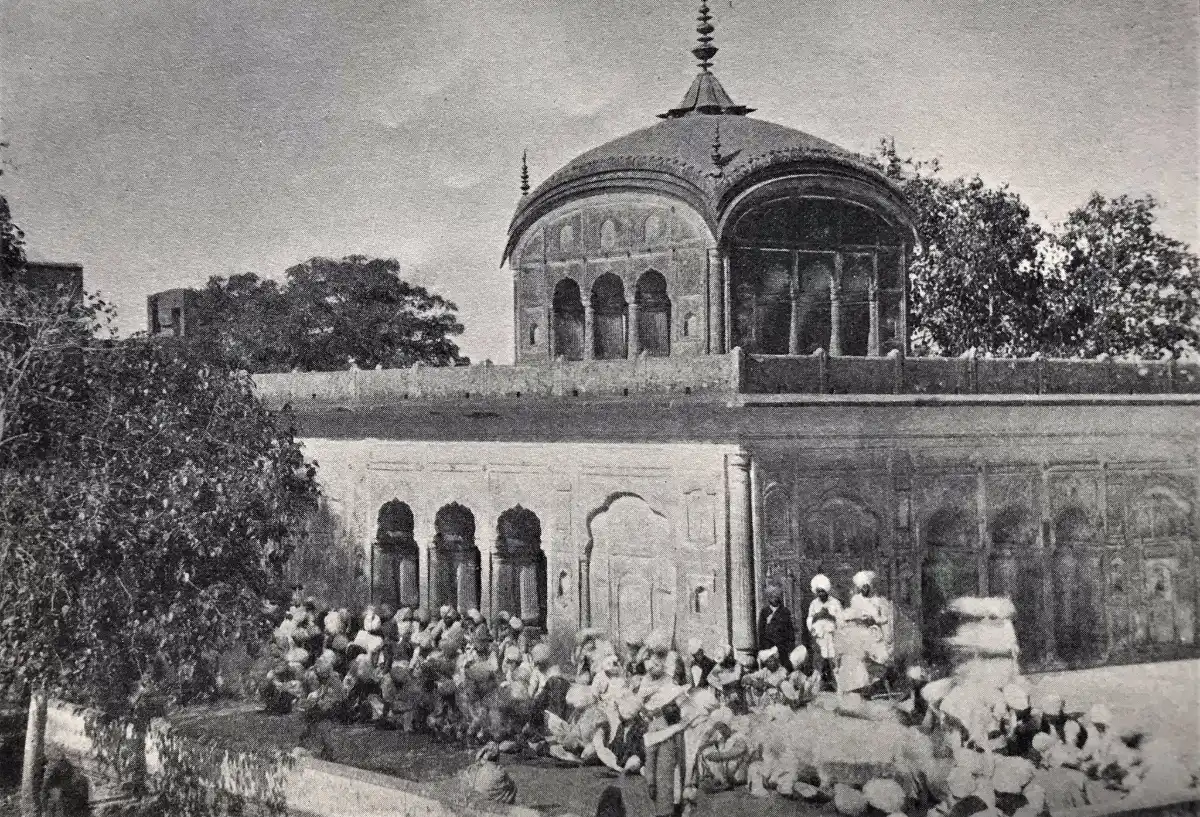
What to see in the complex
- Gurdwara Bhora Sahib: the sanctuary that holds the preserved wall where the younger sons were bricked up (district portal, Wikipedia).
- Gurdwara Burj Mata Gujri (Thanda Burj): where Mata Gujri and her grandsons were confined. Wikipedia lists it within the main complex; Google Maps shows it as its own place, rated 4.8 from about 4,800 reviews.
- Gurdwara Shahid Ganj: built for the Sikhs who fell fighting under Banda Singh Bahadur, who were cremated here (Wikipedia).
- Diwan Todar Mal Hall: a large hall behind the main gurdwara, named for Seth Todar Mal (Wikipedia; Google Maps lists it as a place inside the complex).
- Sarovar: a large sacred pool in the complex (Wikipedia); Google Maps lists it as Pavitar Sarovar Sahib.
Nearby: Jyoti Sarup and Rauza Sharif
Gurdwara Jyoti Sarup stands where Mata Gujri and the two Sahibzadas were cremated. The district portal says Wazir Khan refused permission unless the ground was bought by laying gold coins on it, and that Seth Todar Mal, a devotee of the Guru, paid that price. Wikipedia places it about 1.5 km south-east of Fatehgarh Sahib on the Sirhind–Chandigarh road, and Google Maps rates it 4.9 from about 3,200 reviews, so it fits into the same visit.
The district portal also lists Rauza Sharif, the mausoleum of Shaikh Ahmad Faruqi Sirhindi (1563–1624), on the Sirhind–Bassi Pathana Road near the gurdwara. It is a Sunni Muslim shrine, so it makes a separate visit from the gurdwara.
Shaheedi Jor Mela
The annual Shaheedi Jor Mela is held in December, on 11–13 Poh, to remember the younger Sahibzadas and Mata Gujri; the district portal says thousands of pilgrims from all walks of life attend. The portal gives the dates in the Poh calendar and no Gregorian dates, so check the year’s dates with the gurdwara office before travelling, and expect heavy crowds.
Visiting: timings, rooms and etiquette
- Timings: the Google Maps listing showed “opens 3 am” during our overnight check and did not show closing time or the rest of the week, so ask the office for the day’s schedule.
- Rooms and parking: visitors say the complex is clean and well kept, has a large parking area and offers rooms at low rates. These are visitor comments, not official statements; book rooms through the gurdwara office (01763 232 227 on the Maps listing).
- Facilities: Google Maps also lists a public toilet at the complex, open 24 hours.
- Etiquette: cover your head, remove your shoes at the entrance, and keep tobacco and alcohol out of the complex.
How to reach Fatehgarh Sahib from Chandigarh
By road, Google Maps shows 42.9 km and about 53 minutes via SH 12A, with an alternative of 44.0 km and 57 minutes via Sarovar Path. The district portal says regular bus services run to Fatehgarh Sahib from Chandigarh, Patiala and Ropar, and that buses on the Delhi–Amritsar route halt at Sirhind. By rail, Sirhind Junction is on the Delhi–Amritsar line, and many express and superfast trains stop there. The district portal puts the Chandigarh/Mohali airport about 50 km away and Delhi about 250 km.
Plan a longer Sikh heritage trip
- Sikh heritage day trip: Fatehgarh Sahib and Virasat-e-Khalsa for a single-day plan on the same circuit.
- Best gurudwaras in Punjab and best gurudwaras in Chandigarh.
- Our Gurpurab guide for the Sikh calendar.
- Also in Sirhind: Rauza Sharif and Aam Khas Bagh. About 20 km away, Fateh Burj remembers the Battle of Chappar Chiri, and Chamkaur Sahib is where the elder Sahibzadas fell.
Frequently asked questions
What is Gurdwara Fatehgarh Sahib?
It is the gurdwara at Sirhind, Punjab, that marks where Guru Gobind Singh’s younger sons, Baba Zorawar Singh and Baba Fateh Singh, were bricked up alive on the orders of Wazir Khan.
When did the martyrdom of the younger Sahibzadas happen?
The Fatehgarh Sahib district portal says 1704, while Wikipedia gives 9 December 1705. The two sources disagree, so this guide states both.
How far is Fatehgarh Sahib from Chandigarh?
Google Maps shows about 42.9 km and roughly 53 minutes via SH 12A; an alternative route is 44.0 km and 57 minutes. The district portal puts the Chandigarh/Mohali airport about 50 km from Fatehgarh Sahib.
What are the gurdwara timings?
Google Maps showed “opens 3 am” when we checked overnight on 21 September 2026 but did not list closing times. Call the gurdwara office on 01763 232 227 (the number on the Maps listing) for the day’s schedule.
What is the Shaheedi Jor Mela?
It is an annual gathering in December, on 11–13 Poh, to remember the younger Sahibzadas and Mata Gujri. The district portal says thousands of pilgrims attend.
Which nearby places can I visit on the same trip?
Gurdwara Jyoti Sarup, about 1.5 km south-east according to Wikipedia, where Mata Gujri and the two Sahibzadas were cremated, and Rauza Sharif, the mausoleum of Shaikh Ahmad Faruqi Sirhindi, on the Sirhind–Bassi Pathana Road.
Sources
- Fatehgarh Sahib district administration, Gurudwara Sri Fatehgarh Sahib
- Fatehgarh Sahib district administration, Gurudwara Jyoti Sarup
- Fatehgarh Sahib district administration, Sri Rauza Sharif
- Wikipedia, Gurdwara Fatehgarh Sahib
- Google Maps, Gurudwara Shri Fatehgarh Sahib (address, phone, hours, directions from Chandigarh; read 21 Sep 2026)