

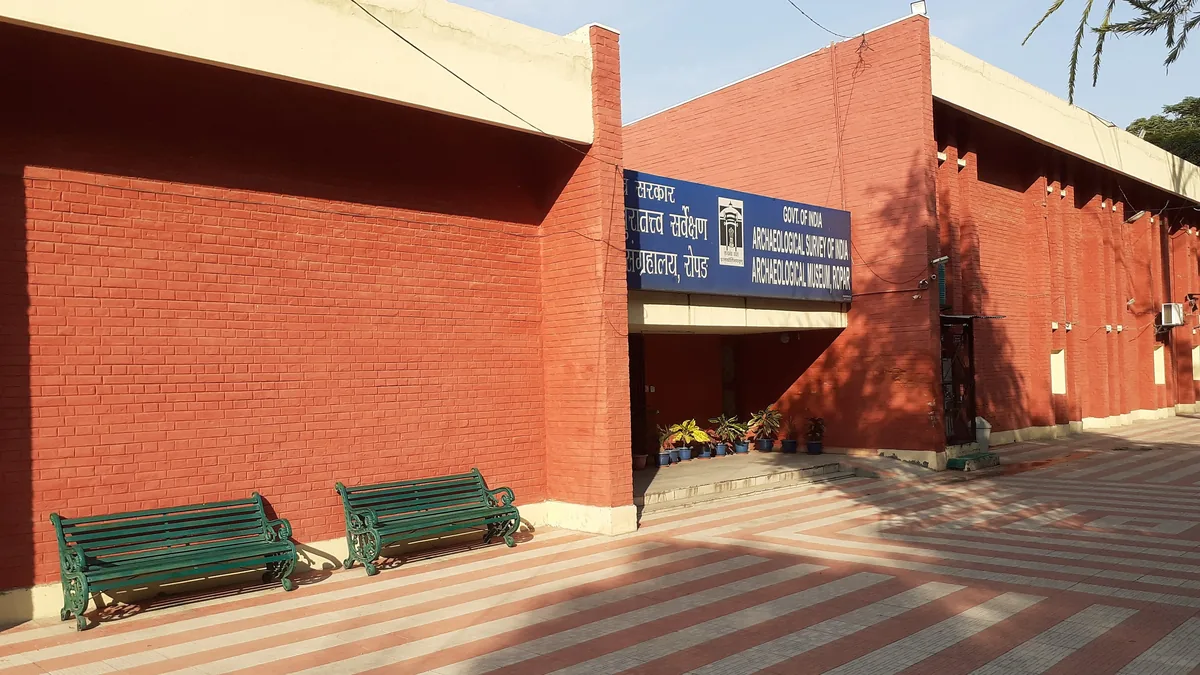
✍️ By Rahul Goyal · Chandigarh Life
Quick answer: The Archaeological Museum at Ropar (Rupnagar), run by the Archaeological Survey of India, displays finds from the mound near the town, the first Harappan site excavated in independent India. The Rupnagar district portal gives the timings as 10 am to 5 pm, closed on Friday, with a Rs 5 entry fee (children up to 15 free). Google Maps shows about 47 km and 56 minutes by road from Chandigarh.
Ropar is a good half-day trip if you want something older than the gurdwaras and forts. This guide draws on the Rupnagar district portal, Wikipedia and Google Maps, and it notes where the figures differ, including the distance from Chandigarh and the phone number.
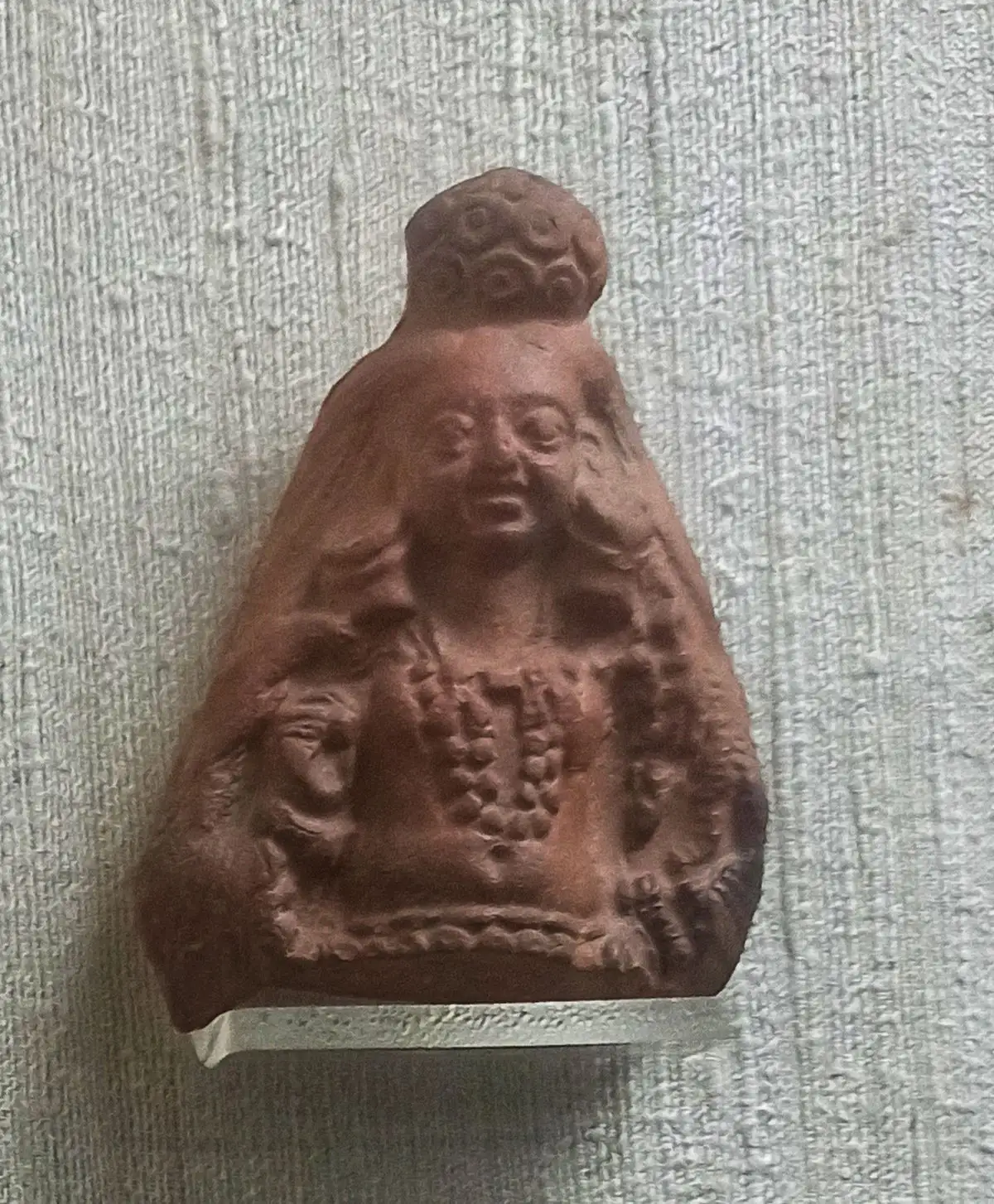
Ropar Archaeological Museum at a glance
| Detail | What we found |
|---|---|
| Run by | Archaeological Survey of India (district portal) |
| Opened | To the public in 1998 (district portal, Wikipedia) |
| Timings | 10:00 am to 5:00 pm, closed on Friday (district portal). Google Maps showed “opens 10 am”, confirmed by phone about ten weeks before our check |
| Entry fee | Rs 5, children up to 15 years free (district portal); a visitor also reports Rs 5 with online booking |
| Where | Archaeological Museum, Giani Zail Singh Nagar, Rupnagar, Punjab 140001; plus code XGCC+XP on Google Maps |
| Phone | 01881-221230 (ASI Ropar, district portal); Google Maps lists a toll-free number, 1800 11 1363 |
| From Chandigarh | Google Maps: 47.2 km, about 56 minutes via Kurali Bypass Road, with tolls; a second route is 49.2 km (1 hour 8 minutes). The district portal says about 42 km and Wikipedia says about 47 km northwest of Chandigarh |
| Visitor rating | 4.3 on Google Maps, about 600 reviews (21 September 2026) |
Why Ropar matters
Wikipedia says Rupnagar (formerly Ropar or Rupar) is one of the larger Indus Valley civilization sites, on the Sutlej, and the district portal calls the excavated site near the town the first Harappan site excavated in independent India. The excavations, according to both, show a cultural sequence running from Harappan times to the medieval period.
Wikipedia’s article on the Ropar Wetland adds detail on the mound itself: it calls it Nalagarh Tibbi, about 21 m (69 ft) high, on the left bank of the Sutlej, and says the museum presents six cultural periods, with some breaks, from Harappan times to the present. It also says a deep well with a stone inscription of Emperor Shah Jahan (1627–1658) lies at the foot of the mound. Those details come from Wikipedia alone, and we did not find them on an official page.
What the museum displays
The district portal lists antiquities of Harappan times, Painted Grey Ware culture, and Saka, Kushana and Gupta periods among the exhibits. It names a Vina Vadini (a lady playing the vina), a steatite seal, copper and bronze implements, a ring stone, a yakshi image and gold coins of Chandragupta. Wikipedia describes the gold coins as attributed to Chandragupta Maurya, while the portal does not say which Chandragupta it means, so we leave the attribution open. The portal adds that visitors can also see displays on protected monuments of Punjab, Haryana and Himachal Pradesh and on World Heritage monuments.
A visitor on Google Maps describes the museum as well maintained, with polite staff, a small parking space and displays of Indus Valley finds, stone sculptures and pottery. These are visitor comments, not official statements.
Nearby: the wetland, a gurdwara and the Sutlej
- Ropar Wetland: Wikipedia says this man-made wetland of 1,365 hectares was created in 1952, was declared a Ramsar site in 2002, and records 154 bird species. It also notes that the old tourism facilities there are dilapidated. Google Maps lists it at 4.3 from about 40 reviews.
- Anglo-Sikh meeting of 1831: Wikipedia says Maharaja Ranjit Singh and Lord William Bentinck signed an agreement on the Sutlej bank near Ropar on 26 October 1831.
- Gurdwara Bhatha Sahib: Wikipedia names it among the gurdwaras of Rupnagar; Google Maps rates it 4.8 from about 3,000 reviews.
- Ropar Head Works Park: listed on Google Maps at 4.7 from about 76 reviews; we have not checked what it offers.
How to reach Ropar from Chandigarh
Google Maps shows about 47.2 km and 56 minutes via Kurali Bypass Road, with tolls on the route, and 49.2 km via Bhaddal College Road. The district portal puts the museum about 42 km from Chandigarh by road and says the nearest railway station is at the district headquarters in Rupnagar. Because the sources differ by several kilometres, use the live route on the day.
Plan a longer day trip
- Best museums in Chandigarh and historical places in Chandigarh for more of the region’s heritage.
- Sikh heritage day trip: Fatehgarh Sahib and Virasat-e-Khalsa if you are heading on to Anandpur Sahib, which is also in Rupnagar district.
- Virasat-e-Khalsa and Kiratpur Sahib are further up the Sutlej, and Chamkaur Sahib is also in Rupnagar district.
Frequently asked questions
What is at the Ropar Archaeological Museum?
It displays finds from the excavated mound near Ropar, including Harappan antiquities and objects from later periods such as Painted Grey Ware, Saka, Kushana and Gupta times, according to the Rupnagar district portal.
What are the museum timings?
The district portal says 10:00 am to 5:00 pm, closed on Friday. Google Maps showed “opens 10 am” and says the listing was confirmed by phone about ten weeks earlier.
How much is the entry fee?
The district portal gives Rs 5, with children up to 15 years free. A visitor on Google Maps also reports Rs 5 and online booking, but fees can change, so confirm with the museum.
Is Ropar the first Harappan site excavated after independence?
Yes, according to the district portal and Wikipedia, the excavated site near Ropar was the first Harappan site excavated in independent India.
How far is Ropar from Chandigarh?
Google Maps shows about 47.2 km and 56 minutes via Kurali Bypass Road. The district portal says about 42 km and Wikipedia says about 47 km northwest of Chandigarh.
What else can I see near the museum?
The Ropar Wetland, a Ramsar site, is close, and Gurdwara Bhatha Sahib is also in Rupnagar; Wikipedia also records the 1831 Ranjit Singh and Bentinck agreement on the Sutlej bank here.